The Sundiata
Syncretism in 13th Century Mali
I. The Griot: Architect of Memory
-
Djeli (Griot): A genealogist, diplomat, and legal archive.
-
Orature vs. Literature: - Orature is dynamic, communal, and performative. - Literature—specifically the Niane translation—transforms a fluid tradition into a static epic format.
-
Writing the epic down risks stripping the authority from the living word and the speaker’s lineage.
II. The Mande Worldview: Nyama and Dalilu
- Nyama: The occult energy inherent in all things.
- Dalilu: Secret knowledge and the manipulation of power.
- The Conflict: Sundiata Keita vs. Soumaoro Kanté.
- This is a battle of sorcery and spiritual mastery as much as military strategy.
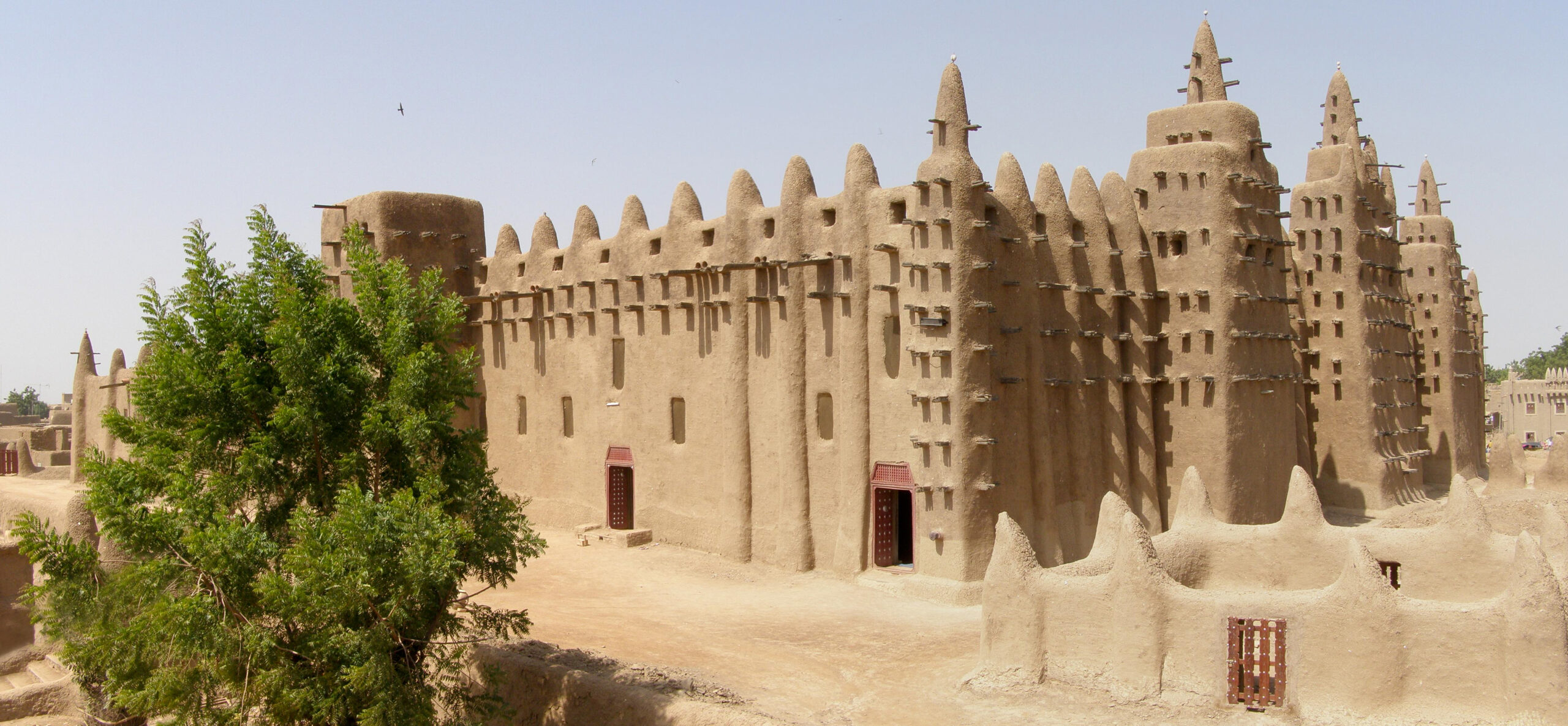
III. The Islamic Synthesis
- Sundiata is claimed as a descendant of Bilal Ibn Rabah.
- Strategy: Connecting the Keita lineage to Islam legitimized Mali for North African trading partners.
- The Hybrid Reality: Sundiata functions as a King of Kings who utilizes both the Quran and ancestral spirits
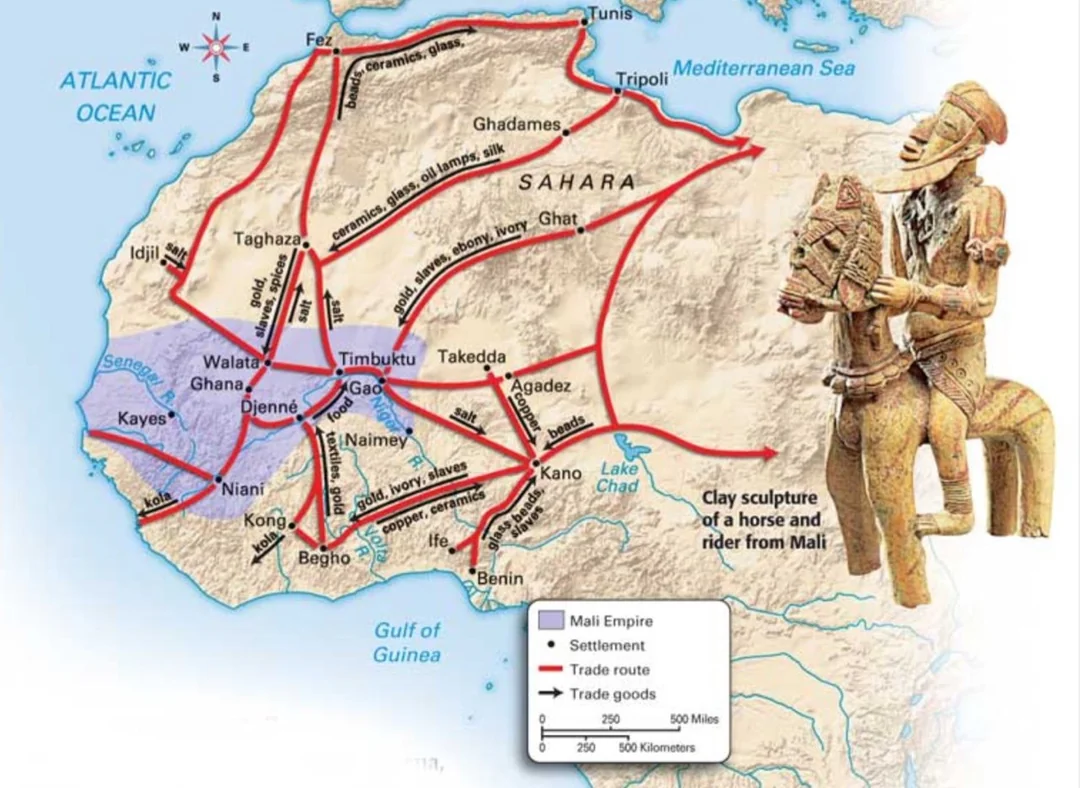
IV. Geopolitics & The West African Silk Road
- Trade Staples: Gold, Salt, and Copper.
- The decline of Ghana enabled Mali’s centralization.
- Was the war with Soumaoro a quest for liberty or a hostile takeover of the gold trade?
V. Discussion: Orality as History
“The griot is the memory of mankind… we harbor the secrets of many-centuries-old traditions.”
— Mamadou Kouyaté, the Griot
Can oral tradition maintain accuracy over 700 years?
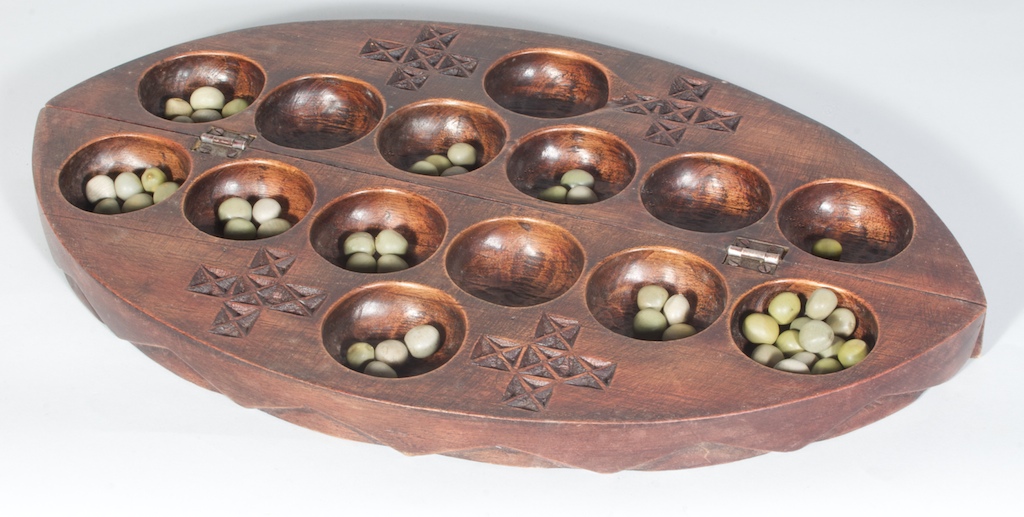
VI. Wori: The Game of Strategy and Fate
- Wori is a game of redistribution, not just capture.
- The Journey: Sundiata’s exile is a series of “sowing” seeds in neighboring kingdoms to reap alliances later.
- In Mande tradition, a leader is judged by their ability to “calculate” the social and spiritual field.
- Like Wori, Sundiata wins by outmaneuvering Soumaoro through patience and the accumulation of resources.
Friday
Reading day to prep for midterm, exit ticket was two sentences on what you read.