Monday Slides (Feb. 9th)
Gilgamesh: The Birth of the State
Walls, Steppes, and Centralized Power
I. The Discovery
1872: The Flood Tablet
-
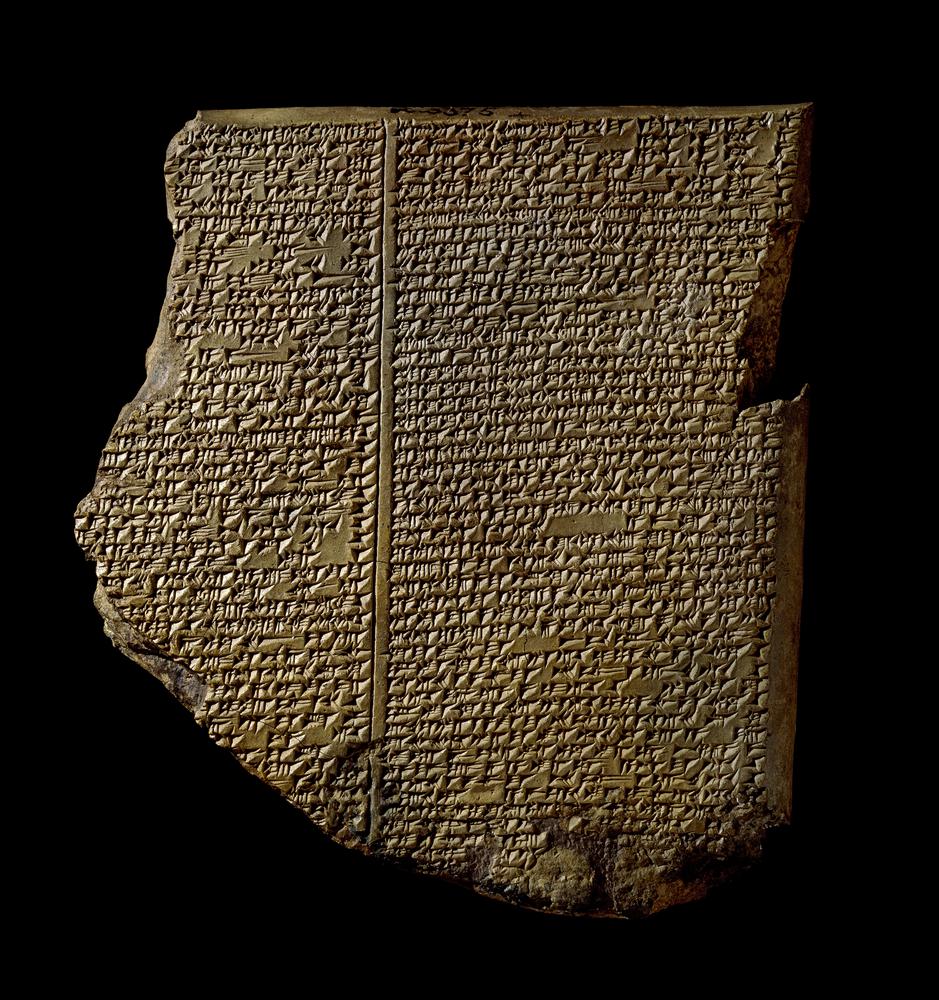
George Smith, an assistant at the British Museum. Why did the British have artifacts from Mesopotamia?
-
Deciphered “Tablet XI,” finding a flood story that predated the Bible by 1,000+ years.
-
It proved that “Biblical” stories were part of a much older, shared Mesopotamian literary tradition.
This is a literary product. Unlike the oral improvisations of Homer, Gilgamesh was meticulously curated by scribes on clay.
II. The Materiality: Clay vs. Paper
- Cuneiform: “Wedge-shaped” writing made by pressing reeds into wet clay.
- The Library of Ashurbanipal: Most of what we read comes from 30,000 fragments found in modern-day Iraq.
III. The Great Divide: The Wall vs. The Steppe
-
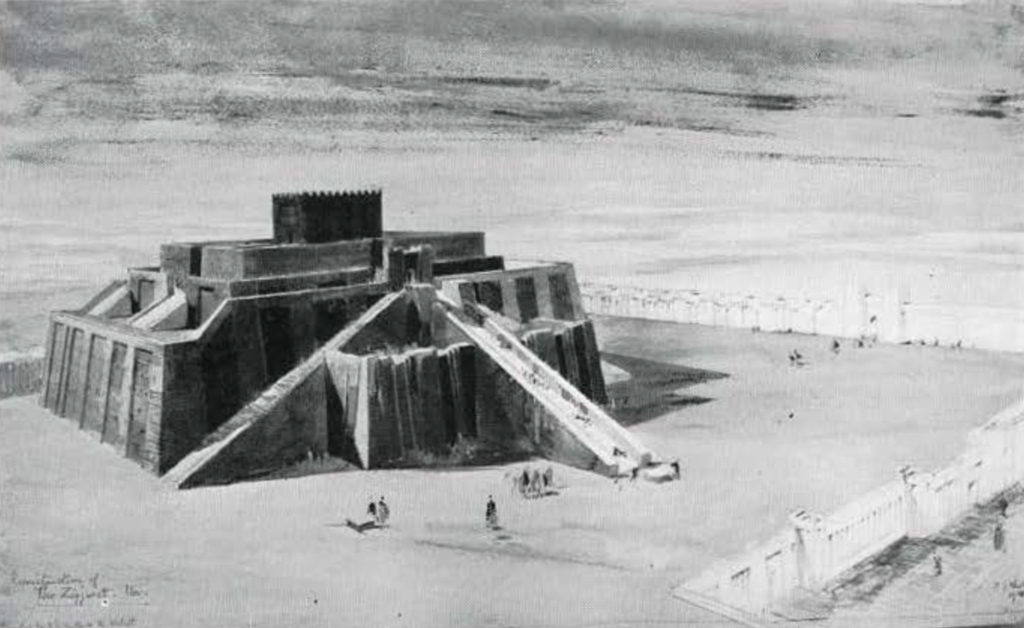
Uruk: The world’s first true metropolis.
-
The Wall: 11km long, 15m high. A hard boundary between “taxable” agricultural land and the “wild” nomadic periphery.
-
The Friction: The city requires labor, grain, and timber. The nomads (the steppe) represent a lifestyle the state must either absorb or destroy.
IV. Enkidu: The Domestication of the Nomad
-
The Nomad: Enkidu lives with gazelles on the edin (steppe).
-
The “Civilizing” Seduction:
- Sex: Human connection pulls him from the animals.
- Bread & Beer: The products of processed agriculture.
- Once “civilized,” Enkidu’s first act is to protect the sheepfold against the wild animals. He is now an agent of the state’s economy.
V. Extraction: The Cedar Forest Mission
-
Resource Depletion: Uruk has mud; it lacks timber.
-
The Mission: Gilgamesh and Enkidu travel to the “periphery” to kill Humbaba (the Forest Guardian) and take the trees.
-
This is a state-sponsored raid for resources to build the city’s gates. It’s the “Uruk Expansion” in poetic form
VI. The Politics of the Tablet
From Colonial Trophy to Post-Colonial Critique
- 19th Century: The Universal Claim
- The British viewed themselves as the rightful heirs to civilization.
- Gilgamesh was framed as a precursor to the Bible/Homer, rescued from a “declining” Ottoman East to be studied in a rational London.
- 20th/21st Century: The Materialist Critique
- Extraction: We now see the removal of tablets as parallel to the extraction of oil and timber.
- The State Myth: Modern readings (like James C. Scott) move away from Universal Heroes and toward the myth of state power.
- Interpretation: The story is no longer about Universal Man, but about the specific costs of the first city-states.
The very fact that we read Gilgamesh as a World Masterpiece is a byproduct of the British Museum’s ability to centralize and globalize the text during the peak of Empire.
Wednesday Slides (Feb 11th)
The Sovereign’s Return
Mortality, The Flood, and the Limits of Power
I. The Death of Enkidu
-
Enkidu’s Final Transformation: The Wild Man dies from an urban, civilized sickness.
-
The Failure of the Frontier: Enkidu’s death represents the exhaustion of the nomadic element once the city’s resources are secured.
-
The King’s De-civilization: Gilgamesh sheds his royal garments for lion skins, attempting to reverse-migrate back to the steppe.
Discussion Questions:
-
If Enkidu is the Nomad, does his death suggest that the State and the Steppe can never truly coexist?
-
Is Gilgamesh’s reverse migration (wearing skins) a sign of genuine grief or an appropriation of a lifestyle he previously sought to destroy?
II. The Odyssey Parallel: The Liminal Quest
-
Nostos (Homecoming): Gilgamesh, like Odysseus, exists in a liminal space between the world of men and gods.
-
The Siduri Episode: The tavern keeper functions like Calypso or Circe—offering a domestic alternative to the hero’s quest.
-
The Choice: Both heroes must decide between the simple, mortal life and the pursuit of divine status.
Discussion Questions:
-
Siduri tells Gilgamesh to fill his belly and gaze on the child. Is this advice a form of wisdom or a form of state-sanctioned complacency?
-
In the Odyssey, Calypso offers immortality; Siduri offers a good meal. Which temptation is harder for a Great King to resist?
III. The Flood: The Great Reset
-
Urban Friction: The gods destroy humanity because of noise—the chaos of dense, urban overpopulation.
-
The Boat as Micro-State: Utnapishtim’s vessel is a curated “backup” of civilization: it carries seeds and craftsmen (labor).
-
State Fragility: The Flood represents the total collapse of the urban center
Discussion Questions:
-
If the gods destroy the world because of noise, what does that tell us about the Mesopotamian view of city life vs. the quiet of the steppe?
-
Is Utnapishtim’s boat a rescue mission or a reboot of the same urban system that failed?
IV. The Bread and the Sleep
-
The Biological Test: Utnapishtim challenges Gilgamesh to defeat sleep—proving he is more than a biological subject.
-
The Evidence of Decay: Seven loaves of bread are used as a visual timeline.
-
The Snake: The loss of the plant of rejuvenation mirrors the lost opportunity motifs in Mediterranean myth.
Discussion Questions:
-
Why does the text use bread—the ultimate symbol of the agricultural state—to prove Gilgamesh’s mortality?
-
If Gilgamesh had succeeded in becoming immortal, what would that have meant for the citizens of Uruk? Is a Mortal King safer than a Divine King?
V. The Return to the Wall
-
Infrastructure as Legacy: Gilgamesh returns to Uruk and invites the boatman to inspect the foundation and walk the wall.
-
The Final Synthesis: The individual nomad/hero must die, but the walled city-state is designed to endure.
-
Conclusion: The Epic justifies the transition from the Heroic age of nomads to the Bureaucratic age of the permanent state.
Discussion Questions:
-
Look at the opening and closing of the poem: why is the Wall the first and last thing the reader sees?
-
By the end, has Gilgamesh actually won? Does the survival of the city compensate for the death of the friend and the loss of youth?
Friday Slides Feb. 13th Writing Activity
Comparative Analysis: Gilgamesh and Ancient Epic Traditions
Exercise Overview: The Shared Motif
Time: 5 Minutes
Objective: Identify a thematic intersection between two ancient works.
-
Task: Choose one central theme from The Epic of Gilgamesh.
-
Comparison: Pair this theme with a secondary text. Feel free to use the Odyssey or anything else you have knowledge of (I.e The Old Testiment)
-
Initial Outline: List three points where these stories overlap in plot, characterization, or imagery.
Writing Task: The Point of Departure
Time: 30 Minutes
Objective: Examine how different cultures adapt similar stories to reflect unique values.
-
The Literary Convention: Briefly describe the common element shared by both texts (e.g., a catastrophic flood or a quest for eternal life).
-
The Contrast: Identify the specific moment where the two texts move in different directions. Focus on the actions of the characters or the resolution.
-
Interpretive Conclusion: Explain what this difference suggests about the worldview of each culture. Does the text prioritize individual legacy, civic duty, religious obedience or something else?
Peer Review: Finding Counter-Evidence
Time: 15 Minutes
Objective: Refine your argument by addressing textual complexities.
-
Exchange: Trade your response with a classmate.
-
The Challenge: Locate a specific line or scene in the primary text that might complicate or contradict your partner’s main argument.
-
Response: In two sentences, the original author must explain how that specific passage fits into their broader reading of the poem.
Themes for Investigation
| Theme | Gilgamesh Focus | Comparative Focus |
| :--- | :--- | :--- |
| Friendship | The Hero’s Second Self or Mirror (Enkidu) | The Loyal Subordinate or the Faithful Spouse |
| The Role of Women | Divine Intermediaries and Civilizing Figures | The Temptress, the Prophetess, or the Domestic Ideal |
| The Divine and Prophecy | Impulsive or Capricious Gods | Law-giving, Moral, or Covenant-based Deities |